If you’ve ever experienced that sinking feeling when you look at your fuel gauge only to find that the tank needs to be replenished again (you only filled it up a couple of days ago!), you’ll know how frustrating it can be. Neither petrol nor diesel fuel is cheap, and unless you happen to be driving around in a car powered by electricity (we’re still some way off that becoming the norm), the art of economical driving is a life skill that must be learnt.
Here follows a short guide to driving in a way that will ensure your fuel consumption is as efficient as possible.
You’ll be amazed by how easy it is!
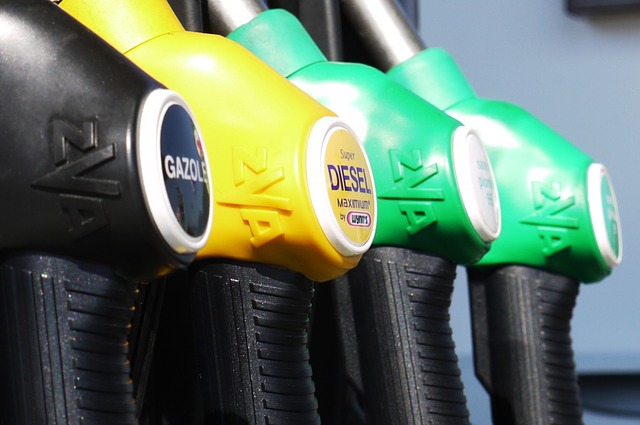
So, how can you drive more economically? Well, your car’s fuel consumption is directly affected by the following factors:
- Car maintenance
- Engine oil quality
- Tyre pressure
- Journey planning
- Weight carried by your vehicle
- Air-con and heating usage
- Cruise control usage
- Gear: the higher the better
- Gentle revving
- Driving speed
- The amount of braking
Let’s look at each factor in more detail.
Keep your car maintained

It’s often the hidden things that make a car drink more fuel than necessary. If it hasn’t been serviced regularly, for instance, there may be old parts and fluids that are having a significantly detrimental effect on its fuel efficiency. Make sure you treat your car to services at the intervals recommended by the manufacturer. The best practice is to get your car serviced every 12 months or 10,000 driven miles – whichever comes first. If you ever think something is wrong before this time mark, get it booked into a reputable garage, pronto.
Here are several things you can do yourself at home to ensure your car is driving efficiently:
- Check the engine oil: eco-driving will not help you much if your vehicle burns oil. So, if you want to make sure your engine is running smoothly, you need to keep your engine oil in check. One thing, though – when checking the engine oil level, your vehicle must be parked on a flat level surface and the engine must be cold to get an accurate measurement. Watch this video which explains how to complete this step properly: https://www.youtube.com/watch?v=IN2b4S8wdwk
- Check the coolant level: Coolant fluid prevents your car from overheating and if your car’s coolant level is lower than the minimum for long, it can blow a head gasket which will cause your water and oil to get mixed up and damage your engine in the process. So, it is worthwhile to make sure your car’s coolant level is topped up to maximum. When checking the coolant level, you need to be careful as the coolant fluid is under pressure and it may be hot. So, it is advisable to check it when the engine is cold if possible.
- Check the brake fluid: This can be found under the bonnet as well. You want to make sure the brake fluid is between the MIN and MAX indicator. For all the tips please watch the video clip mentioned above.
Use the correct engine oil

The wrong type of engine oil could both impact the amount of fuel your car uses and may even damage the engine itself. Therefore, whenever you need to top up, always use the best quality oil at the grade recommended by the manufacturer.
Check tyre pressure – regularly
Under-inflated tyres do not only pose a serious safety risk, but also cost you on average about 5 percent more on fuel (depending on a few variables).
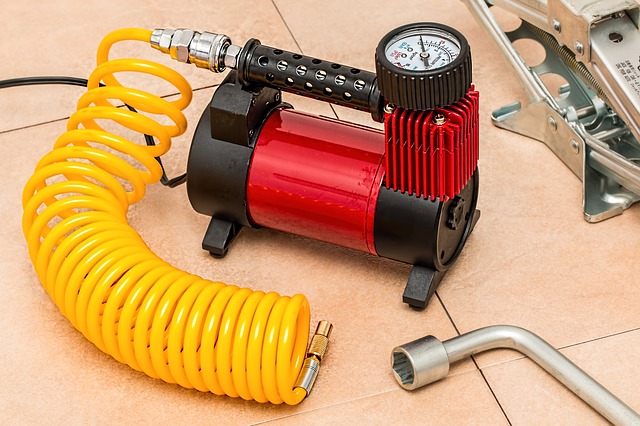
According to a study carried out by Oak Ridge National Laboratory (Office of Energy Efficiency & Renewable Energy) where researchers measured how under-inflated tyres affect the car’s fuel economy at various speeds, they found out that when the tyres were at 75% of their recommended air pressure, the fuel consumption increased about 2-3%, compared to fully inflated tyres.
At 50% of the recommended tyre pressure, the fuel consumption when driving 40 miles per hour was 10% higher than when the tyres were fully inflated. And 5% higher when driving 80 miles per hour.
Under-inflated tyres will make your car drink more petrol – it’s that simple. To achieve good fuel economy you need to check your tyres every week to ensure they are at the recommended pressure level. If you’re about to embark on a long journey, always check your tyre pressures before setting off, and increase them based on the load, if recommended by the manufacturer.
Tyre alignment

If your tyres are not aligned properly, this can reduce fuel efficiency and cause your vehicle to consume around 10% more than when they are well-aligned.
Likewise, unbalanced tyres can create uneven tyre wear, which again increases fuel consumption. You can tell that your tyres are out of balance when you feel a vibration in the steering wheel.
Plan and combine your journey
This is one of those things far too many people neglect, but it’s entirely worth the effort. Always check the route you plan to travel on Google Maps, as sat-nav systems are not always accurate and efficient.
For peak fuel efficiency, you should consider making one round trip instead of several short ones. You will save time and fuel by doing this. When the engine is warm it operates at its most efficient, so you want to take advantage of this by pre-planning your journeys together for that particular day, wherever possible.
Don’t add unnecessary weight
The heavier your car, the harder it has to work to transport you down the road. Therefore, if you have left something particularly heavy in the boot for the last few weeks, take it out and give the car (and your wallet) a break!
Use air-con and heating sparingly

Using air conditioning while driving around town at lower speeds sucks up a lot of power, and thus fuel, so should be avoided whenever possible. However, when you are driving at higher speeds, the effect of air-con on the overall fuel consumption is almost negligible.
Ramping up your stereo, heater and demisters does increase your fuel consumption though, so switch them off if you don’t need them.
Cruise control usage

Using the cruise control function when appropriate can considerably cut your fuel consumption, especially when you drive on motorways and single/dual carriageways of hilly terrains. Some experts suggest that using cruise control can improve fuel economy by up to 14%. It can definitely pay dividends to use this valuable function more often while driving.
Driving economically – adjust your technique
Finally, one of the most effective things you can do to reduce fuel consumption is to change the way you drive. Practice the following as much as possible:
Use higher gears

Work your way through the gears as quickly as the engine allows. The higher the gear, the lower the engine’s revolutions per minute (RPM), and, consequently, the less fuel it requires to move you forward.
This is probably our best tip for achieving fuel economy when driving your car, so do make sure you drive in the highest possible gear while driving. Try changing up through the gears as fast as possible with the lowest rev level. This might translate to 2000 rpm, or even lower.
Remove your lead foot

Keeping to the speed limits is not only keeping you safe while driving, but it is also make sure you get the most mileage out of your fuel tank. The more you mash your foot into the pedal and risk breaking speed limits, the more fuel you’ll use. Modulate your speed with small, precise pushes of that pedal; you’ll still get to where you’re going and do so safely as a result.
When you are driving on the motorways, driving at 80 miles per hour rather than the 70 mph speed limit, will cost you roughly 25% more on fuel depending on certain variables. So, the faster you drive, the more fuel your car will use.
Keep your car rolling
Braking to a standstill, and then starting again and increasing speed, uses more fuel than when you keep your vehicle moving. When you approach traffic signals, for example, slow down earlier and keep your vehicle rolling; chances are that, by the time you approach the traffic lights, you won’t even have to stop. This way, you can avoid too many stops and starts. This simple yet powerful technique can be achieved over time through intentional practice.
Reduce the amount of braking
You wouldn’t think braking has an impact on fuel consumption, but it really does. Rather than braking hard at every opportunity, reduce your speed by slowing down gently and in a controlled manner – as mentioned above, it’s far better to gently cruise up to red lights than to brake suddenly at the last minute.
And finally…

Enjoy driving! It should be a pleasurable experience, and if you follow our tips above, not only will your fuel efficiency increase, you’ll also feel more relaxed behind the wheel and be fully refreshed whenever you reach your destination.
If you follow these tips but still don’t see any difference in your fuel consumption, it may be time to invest in a car with an engine that is more economical on fuel.