It is natural human instinct to want companionship and love, someone to share our lives and make memories with. What better way to make memories than to travel together, go on family holidays, breaks away with friends or that special loved one? Holidays and relaxation aren’t the only reason people travel in groups, some groups travel for cultural experiences, while some travel for work purposes. Whatever the purpose, group travel has been a part of human history for centuries, evolving from horse-drawn carriages to the modern, comfortable minibuses we rely on today. This desire to travel in a group is what led to the formation of mass tourism and travel agents, followed by online travel agencies, all of whom offer a one-stop solution to travel, from accommodation, to food, to excursions, to that all important transportation. Before you can fully appreciate the history of group travel, you need to understand the earliest forms of travel, the ways in which this is relevant today and group travel has evolved over the years.
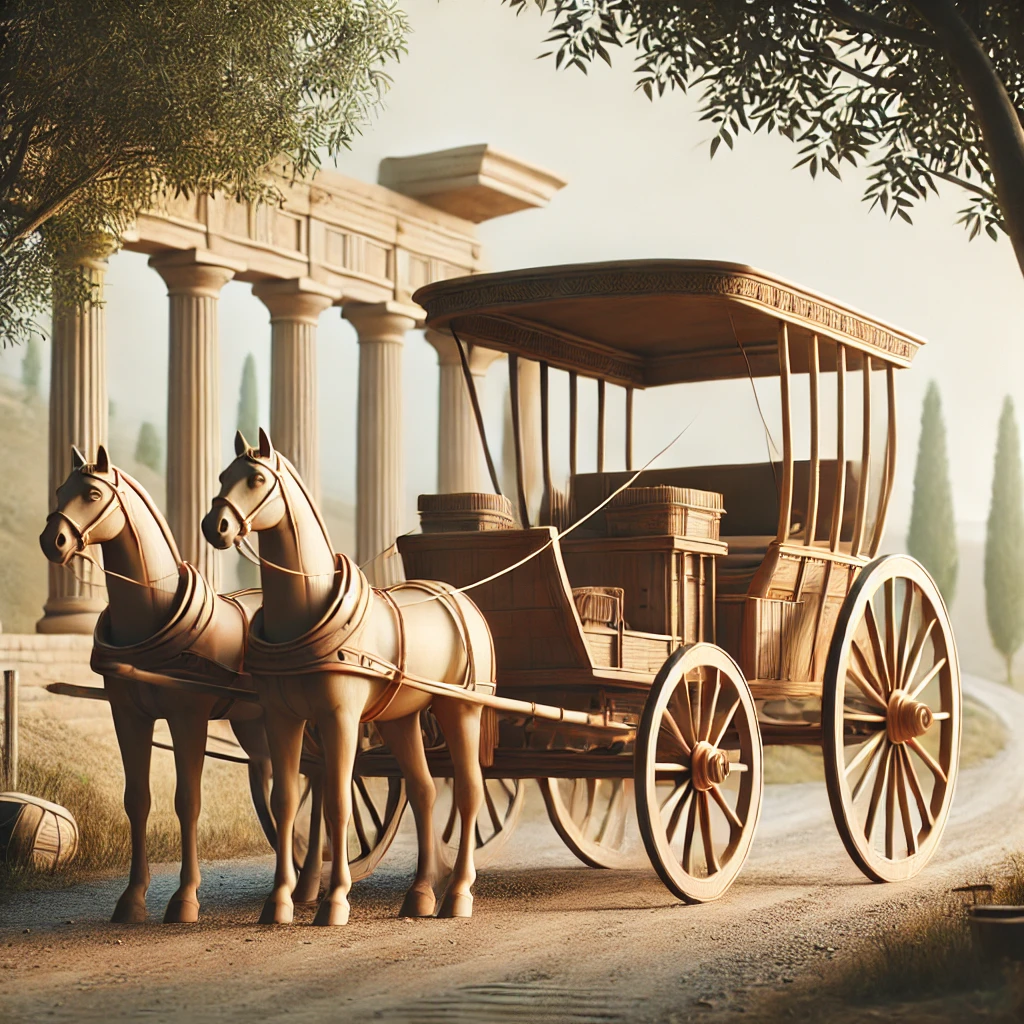
Group Travel in Ancient Times
According to linguists, the word travel was first used in the 14th century, however, people started to travel much earlier than that.
Ancient Roman and Greek Travelling
Old Romans and ancient Greeks, the wealthiest of them anyway, used to travel for holidays, to visit religious sites, for warfare or diplomacy, due to health reasons, to trade, attend festivals and for state building. Given that the Romans were the first civilisation to build roads, it made sense that they would be one of the first to travel on them. The Romans and ancient Greeks built an impressive array of transportation, including:
- Chariots: This was a two-wheeled vehicle which was pulled by either two or four horses. They were light and open and therefore quick. As well as being used for travelling, chariots were also used for racing, warfare and processions. Chariots carried one or two people. Think of this as the equivalent of today’s sports car.
- Carriages: Equivalent to todays buses, these were large, animal-pulled vehicles that could carry multiple people, perfect for group travels. Four-wheeled carriages are heavier and slower than chariots, they were also covered, unlike chariots, they protected the passengers from the weather and they enabled passengers to sleep inside.
- Litters: The wealthiest of Romans and Greeks had litters, which was a bed that was carried by their slaves.
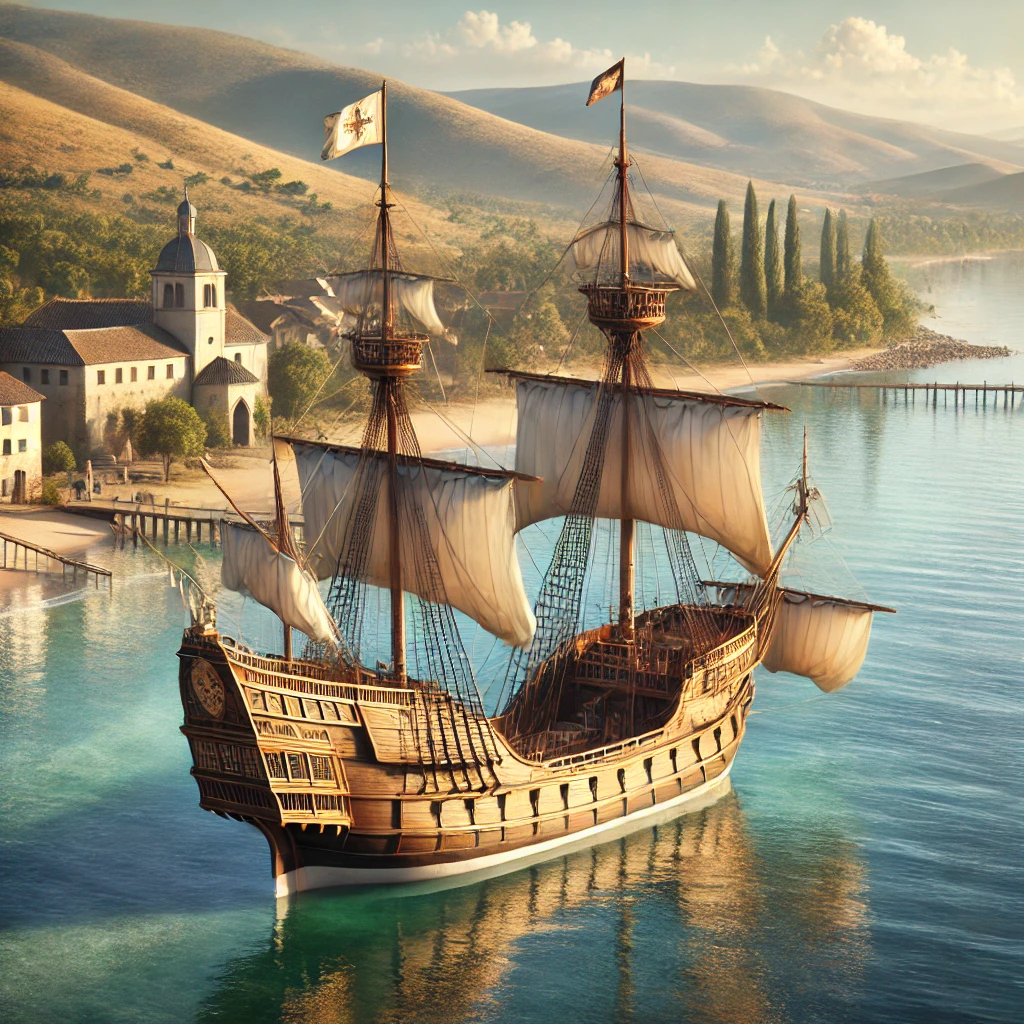
- Ships: Merchant ships were created and used to transport passengers and goods, while Naval ships were also built to transport soldiers and supplies.
- Horseback: One of the most common ways of travelling was by horseback.
Travelling in the ancient world was expensive and difficult, a person’s ability to travel depended largely on their profession, social class and wealth. Unfortunately, travelling at this time was not without its challenges, in fact it could be quite dangerous due to the poor weather conditions, a scarcity of well-maintained roads, as well as things like pirates and shipwrecks.
Medieval and Renaissance Travelling
The medieval and renaissance periods were heavily reliant on the roads built during the Roman Empire, these roads were built of stone, durable and designed to last, with drainage, so financially it made sense to use these roads and invest in other things, such as bridges. Temporary wooden bridges were replaced with permanent stone ones, which were more durable, able to withstand weather and the weight of heavy loads, and made moving goods more efficient. Significant improvements were made to carriages, carts and wagons, brakes were added and there were better axel designs which enhanced their load bearing capacity, making them perfect for larger group travels and positively influencing group travel dynamics. During this time, horses became indispensable, while camels also became vital in the desert, particularly for trade caravans.
As well as improvements in road travel. This period also saw more ways to travel in groups by water. Canals (man-made waterways) connected natural rivers, while ground-breaking advancements in ship design and capability, such as cog ships and lateen ships, provided much more cargo space and travel to more destinations.
Travel in the Industrial Revolution
The Industrial Revolution saw a range of inventions enabling groups of people to travel by road, canal, rail and river. The government became more involved in maintaining and building roads, using a new process called the “macadam” process which created smoother gravel roads, allowing groups to travel in comfort. Stagecoaches, one of the first forms of organised transport, were also created, these were horse-drawn carriages that were used to transport passengers over long distances. Lightweight and strongly sprung, these carriages were pulled by four or six horses which were regularly changed at stops (known as stages), making travel much quicker, while the horses were being changed passengers had the chance to get some food and drink.
During this time the steam engine was invented. Steam-powered trains led to a rapid expansion of the railway network. Quicker, cheaper and more comfortable than stagecoaches, trains quickly became a popular way for groups to travel.

The Automobile Era
The automobile era began in the early 1900’s, prompting automobiles to become a common part of life. The first gas-powered car was invented in 1886 and by 1908 cars were being mass-produced by Henry Ford, making them affordable for the average person.
Horse-drawn buses first appeared in London in 1829, better allowing for group travel. These were replaced by steam buses in the 1830’s as steam buses were cheaper to run and didn’t damage the road as much. By 1895, the first bus with a combustion engine was developed and the first motorised double-decker bus appeared in the 1900’s. The first buses carried up to 16 passengers, but the newer buses were able to carry many more, not only enabling group travel, but actually encouraging it. This motorised travel inspired later inventions such as the practical minibus, providing a convenient middle-ground between large buses and private cars.
Modern Day Minibuses

Today, we are lucky to have numerous group travel options, including the minibus. While cars are incredibly useful, minibuses lead the way for group travels. Not only are minibuses more eco-friendly and less damaging to the environment, but they are also a very safe way to travel and provide maximum comfort for passengers. Some minibuses have facilities such as a toilet, allowing for longer journeys and fewer stops, or reclining seats meaning passengers can sleep and feel well rested when they arrive at their destination. From simple minibuses for shorter group excursions, to luxury minibuses for business trips to events and day trips with family and friends, minibus travel has a range of benefits which is why it has become the preferred travel option for many.
The Evolution of Group Travel
Group travel has evolved significantly over the years, from the earliest forms of travel enabling small groups of people to travel together, to modern forms of travel that allow a large group to travel in absolute comfort and style. These earlier forms of transportation paved the way for the invention of the minibus, the pinnacle or group travel efficiency and convenience. If you’re considering a group outing, day trip, or holiday, we strongly encourage you to explore your minibus hire options. Allow our minibus hire to take all the stress out of your journey so all your group can sit back and enjoy the ride!